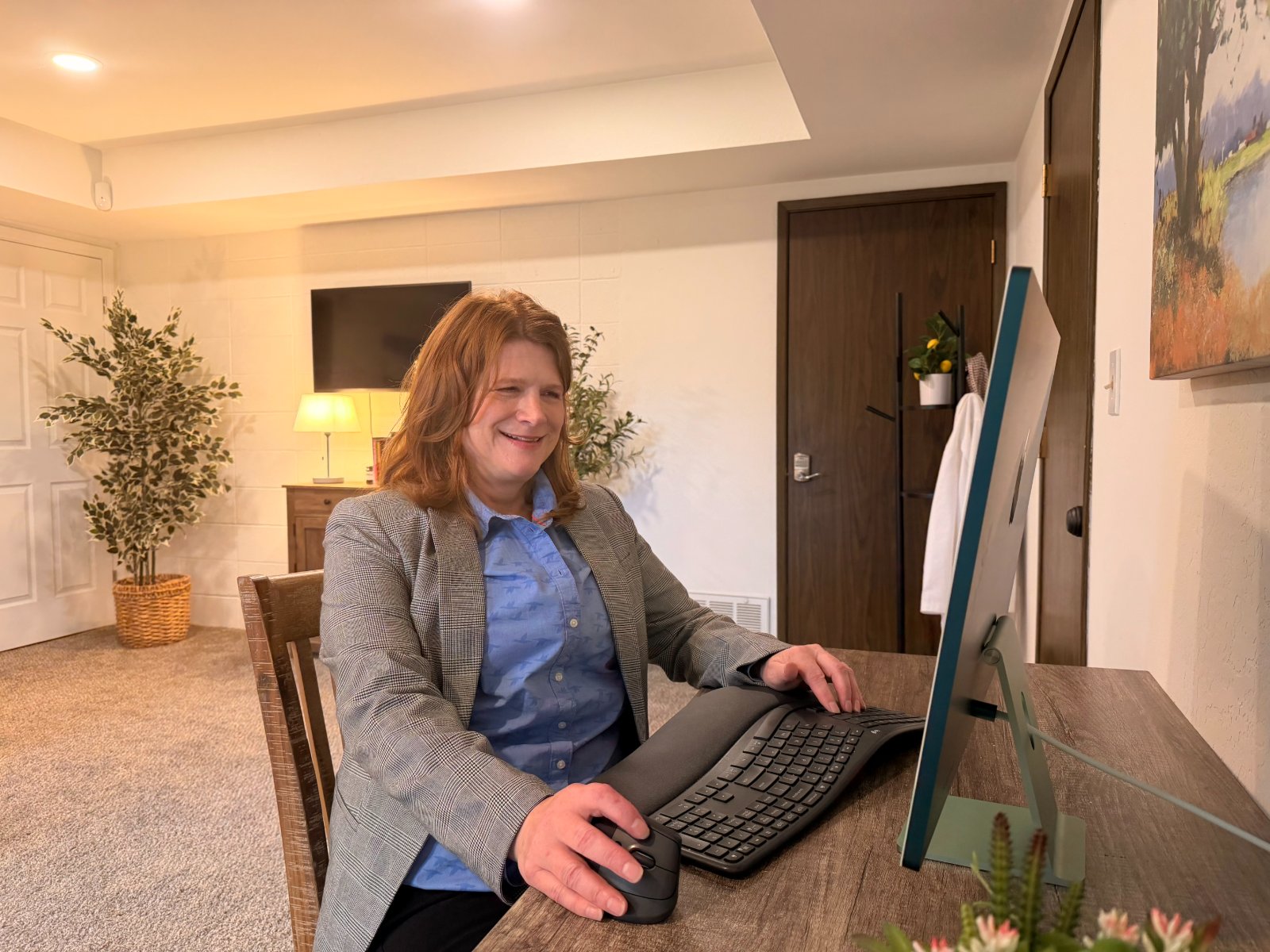
What a PMHNP is
A Psychiatric Mental Health Nurse Practitioner is an advanced practice registered nurse who specializes in psychiatry. The credential PMHNP-BC means the clinician holds board certification from the American Nurses Credentialing Center, which requires a graduate degree, supervised clinical hours in psychiatry across the lifespan, and a national certification examination, with ongoing continuing education and periodic recertification.
In practice, a PMHNP does the same core work as a psychiatrist in an outpatient setting: takes the history, makes the diagnosis, orders and interprets relevant labs, prescribes and adjusts medication, monitors response with rating scales, and coordinates with therapists and primary care.
Training, compared honestly
- Psychiatrist (MD or DO): four-year undergraduate degree, four years of medical school, then a four-year psychiatry residency, the first year of which is broad medical training. Optional fellowships in child, geriatric, addiction, or forensic psychiatry.
- PMHNP: a bachelor's degree in nursing and licensure as a registered nurse, usually followed by clinical nursing experience, then a two- to four-year graduate program (MSN or DNP) with supervised psychiatric clinical hours, then national board certification.
The honest difference: a psychiatrist's training is longer and includes considerably more general medicine and more exposure to severe inpatient illness. A PMHNP's training builds from a nursing foundation and concentrates earlier and more narrowly on psychiatry. Both routes produce clinicians licensed to diagnose and prescribe independently in Oregon and Washington.
Scope of practice in Oregon and Washington
Both states grant nurse practitioners full practice authority. Oregon has done so since 1979, the first state in the country, and Washington likewise authorizes independent practice. That means a PMHNP in either state may evaluate, diagnose, order and interpret diagnostic tests, initiate and manage treatment, and prescribe, all without a supervising or collaborating physician.
This is not universal: roughly a third of states still require physician supervision or a collaborative agreement. If you have moved from one of those states, the difference is real and worth knowing about.
What a PMHNP can prescribe
In Oregon and Washington, PMHNPs hold independent prescriptive authority including Schedule II–V controlled substances under a DEA registration. In practice that covers the full range of psychiatric medication:
- Antidepressants: SSRIs, SNRIs, bupropion, mirtazapine and others
- ADHD medications, including stimulants (Schedule II) and non-stimulants
- Mood stabilizers and antipsychotics
- Anxiolytics, sleep medications, and prazosin for trauma nightmares
Controlled-substance prescribing is subject to the same rules that apply to physicians: prescription-monitoring-program checks, DEA telehealth requirements, and state controlled-substance regulations.
Does the care actually differ?
The comparative research on nurse practitioner care, most of it in primary care, has consistently found outcomes comparable to physician care on standard measures, with patient satisfaction generally equal or higher, often attributed to longer visits and more time spent on education. Psychiatry-specific comparative data is thinner, but nothing in it suggests a meaningful quality gap in routine outpatient care.
What matters more than the credential, in outpatient psychiatry, is whether the clinician takes an adequate history, considers the differential seriously, measures response rather than guessing, and is reachable between visits.
When a psychiatrist is the better fit
Some situations genuinely favor a physician:
- Treatment-resistant illness, multiple failed medication trials, complex polypharmacy, clozapine or MAOI candidacy
- Complex medical comorbidity, transplant medicine, or significant drug-interaction burden
- Procedural treatments such as ECT or TMS oversight
- Forensic evaluations and certain disability or legal determinations
- Severe illness requiring inpatient-level coordination
A good PMHNP refers in these situations rather than pushing through. If we think you would be better served by a psychiatrist or a subspecialist, we will tell you and help arrange it.
The other titles you will run into
- Psychiatrist (MD/DO), physician; diagnoses and prescribes.
- PMHNP, advanced practice nurse; diagnoses and prescribes.
- Psychologist (PhD/PsyD), doctoral training in psychology; provides therapy and psychological testing; does not prescribe in most states.
- Therapist / counselor (LCSW, LPC, LMFT), master's-level licensed clinicians; provide psychotherapy; do not prescribe.
- Physician assistant (PA), may practice in psychiatry and prescribe, with state-dependent supervision rules.
At MindHealth, care is provided by Lavena McCullum, PMHNP-BC, a board-certified psychiatric mental health nurse practitioner licensed in both Oregon and Washington.
Frequently asked questions
Can a psychiatric nurse practitioner prescribe medication?
Yes. In Oregon and Washington, PMHNPs have independent prescriptive authority, including Schedule II through V controlled substances under a DEA registration. That covers antidepressants, ADHD medications including stimulants, mood stabilizers, and antipsychotics.
What is the difference between a PMHNP and a psychiatrist?
A psychiatrist is a physician with medical school plus a four-year psychiatry residency. A PMHNP is an advanced practice registered nurse with a graduate degree and psychiatric board certification. Both diagnose and prescribe independently in Oregon and Washington; psychiatrists have longer training with more general medicine and more experience with severe and treatment-resistant illness.
Does a psychiatric nurse practitioner need physician supervision?
Not in Oregon or Washington. Both states grant nurse practitioners full practice authority, meaning independent practice without a supervising or collaborating physician. Roughly a third of US states still require supervision or a collaborative agreement.
Is a PMHNP as good as a psychiatrist?
For routine outpatient psychiatric care, comparative research has found nurse practitioner outcomes comparable to physician outcomes, with equal or higher patient satisfaction. Treatment-resistant illness, complex medical comorbidity, procedural treatments such as ECT, and forensic evaluations are better handled by a psychiatrist.
What does PMHNP-BC stand for?
Psychiatric Mental Health Nurse Practitioner, Board Certified. The board certification is granted by the American Nurses Credentialing Center and requires a graduate degree, supervised psychiatric clinical hours, a national examination, and ongoing recertification.
Can a PMHNP diagnose mental illness?
Yes. PMHNPs conduct full psychiatric evaluations and make diagnoses using DSM-5 criteria, order and interpret relevant laboratory testing, and develop and manage treatment plans.